

logo

Humpback Whales watching

Ecotourism in Action: Whale Watching as One of the Best Recreational Activities
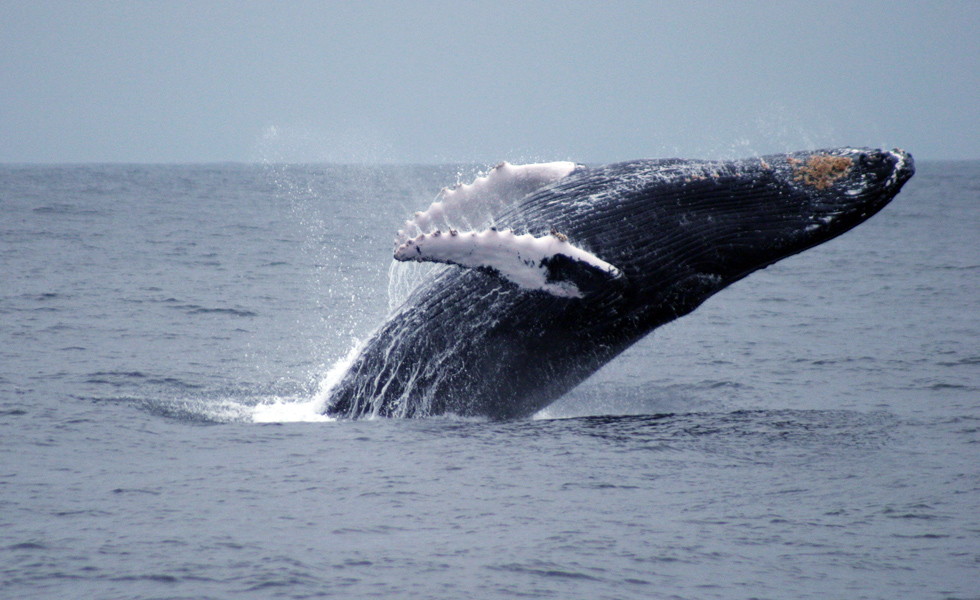
A worldwide popularity of ecotourism grew with an amazing pace in recent years. Hunters and fishermen of yesterday more and more realize today that showing the nature's riches of their country to tourists turns out to be much more interesting and profitable than extirpating the already decreasing populations of wild animals. And this is particularly true in the situation with whales, the largest animals on Earth.

Just half a century ago the only way to gain some profit out of whales was killing them to further use their meat, baleen and blubber, but today even the most active whalers have changed their job and become defenders of whales. It’s no wonder, a demand for travel packages including whale watching today far exceeds a demand for whale products, and ocean ecotours on boats for whale watching bring more than $100 billion a year to its providers worldwide. This is much more than you can make on hunting.

One of the most important objects of the whale ecotourism is a humpback whale. Some of its biological features make this species very convenient for watching, and wide areas of habitat allow travel agencies to organize sea travels for watching these whales in different parts of the world. Best of all, a humpback whale is really very interesting and convenient for tourists!
Continue reading

Isla de la Plata

Isla de la Plata: The “Little Galápagos” and Jewel of Ecotourism in Puerto López, Ecuador

 The Isla de la Plata is one of the greatest attractions of Machalilla National Park and, without a doubt, one of the most emblematic ecotourism destinations on the coast of Manabí. Located about 40 kilometers from Puerto López, this small island of only 14 square kilometers combines extraordinary biological richness, impressive scenic beauty and a history filled with pirate legends, ancestral cultures and hidden treasures. The presence of unique resident and migratory birds, as well as the opportunity to observe humpback whales, dolphins and exceptional marine life, make this paradise an ideal place for sustainable tourism and authentic contact with nature.

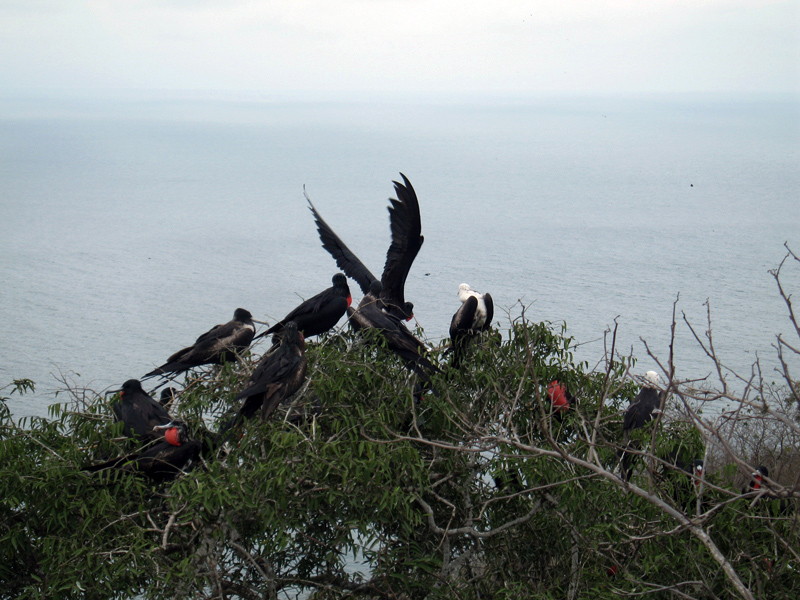
 In addition to its ecological value, the island holds great historical and cultural importance: it was used as a refuge by the famous pirate Sir Francis Drake, who according to legend hid here the treasures stolen from Spanish galleons, and also served as a ceremonial site for the Lordships of the Manteña Culture. To visit this place, Puerto López has several authorized tour operators that offer tours to the Isla de la Plata throughout the year. The tour is done by boat and lasts a full day, allowing visitors to enjoy birdwatching of species such as frigatebirds and blue-footed boobies, scuba diving and snorkeling in the island’s Marine Reserve, and — between June and September — the most famous ecotourism attraction of the region: the observation of humpback whales that come to reproduce in the warm waters of the Ecuadorian Pacific.

 Those who enjoy observing the seabed can marvel at the coral reefs that surround Isla de la Plata, Salango and El Ahorcado, as well as the nearby islets and rocks. The combination of nature, history and adventure makes Isla de la Plata a must-do experience for any traveler seeking nature tourism, responsible ecotourism and a genuine approach to the biodiversity of Ecuador.

Continue reading

Gastronomy and Fishing

 The indigenous people of these lands, representatives of the oldest cultures in the Americas — the Valdivia and the Manteña — were outstanding navigators and fishermen. Their legacy continues to thrive in the 21st century. Archaeological findings in the area of Puerto López and neighboring Salango prove that humans have lived here for more than five thousand years, and that fishing and the gathering of mollusks formed the foundation of their existence. The people of Puerto López, just like their ancestors, live from the sea, its products, and its wealth. Today, tourism, ecotourism, and artisanal fishing constitute the main sources of employment and income for the local population.

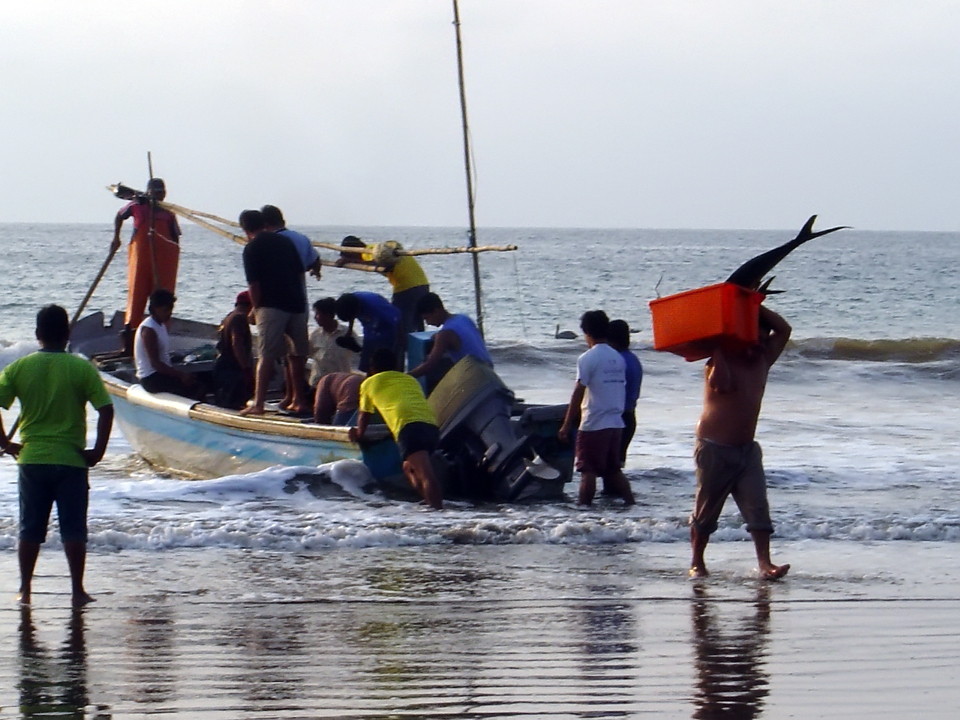
 The predominant activity is artisanal fishing (pesca artesanal). Every day, all the fishermen of the canton set out in small boats in search of their catch in the vast Pacific Ocean. Wooden boats with oars and sail rafts have almost disappeared. Nowadays, fishermen use modern fiberglass vessels equipped with outboard motors, allowing them to cover great distances in a short time. Most often, the boats leave in the evening to fish during the night and return at dawn to the beach of Puerto López. They use modern fishing gear such as bottom longlines, trammel nets, cast nets, and occasionally harpoons. The most valued species in the catch are corvina, camotillo, and cabezudo. These fish are highly appreciated by both local residents and tourists who come here seeking the authentic taste of fresh seafood cuisine.

Continue reading

Welcome to Puerto Lopez

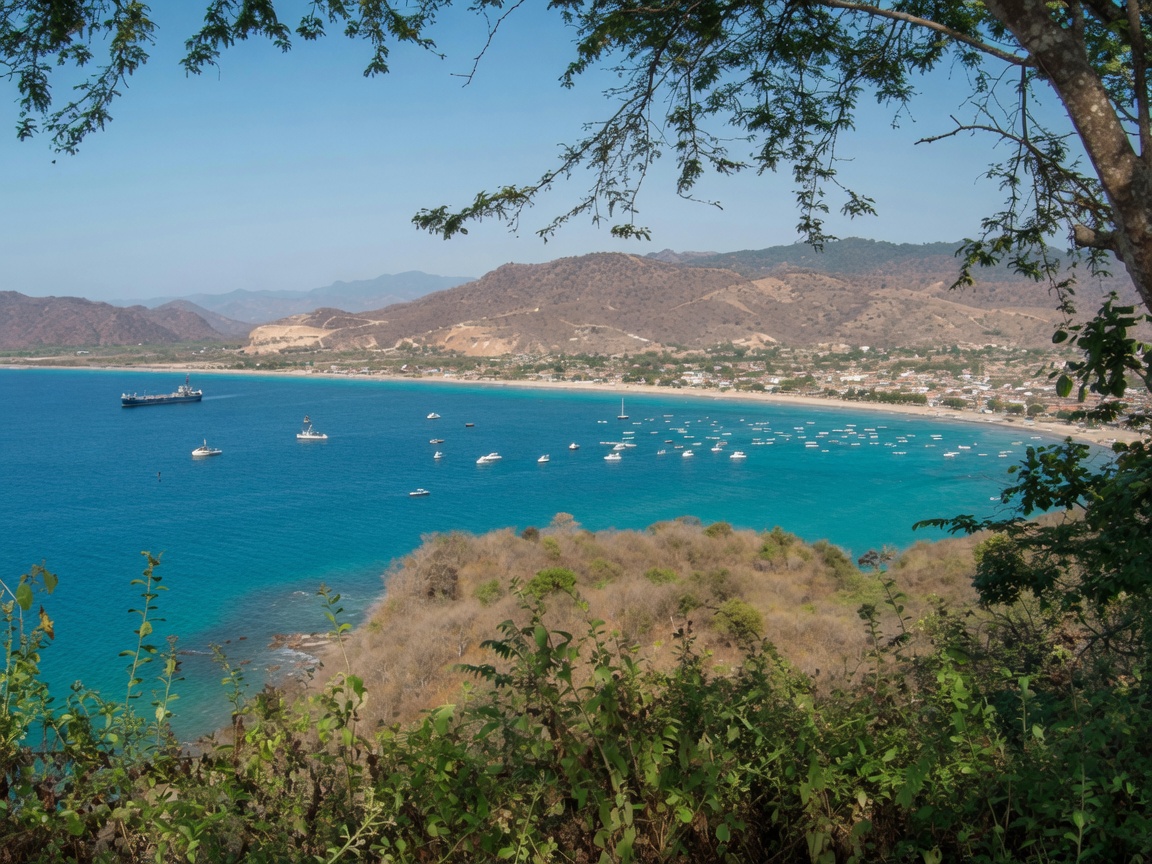
 Welcome to the canton of Puerto López, your home in the heart of Manabí — a place your heart will remember forever on your journey through Ecuador. This wonderful, peaceful and authentic fishing town offers more than 35 tourist attractions. The most outstanding of all is, without a doubt, the observation of Humpback Whales and the abundance of seabirds. Visitors can explore the fascinating museums of Salango and Agua Blanca, sail to the legendary Isla de la Plata, walk the scenic trails of Bola de Oro and El Rocío, discover the rich Marine Area, relax on paradise beaches such as Playa Rosada and Playa Tortuga, and contemplate unforgettable landscapes that only this corner of the Manabí coast can offer.

 From June to September, majestic humpback whales arrive on our shores to mate and raise their calves. Join an unforgettable ecotourism experience in the heart of the Machalilla National Park, one of the most valuable natural spaces in Ecuador.

Why Choose Puerto López?

  • Seaside of Puerto Lopez Ecuador✅ Best place to see humpback whales in all of Ecuador
  • ✅ Daily tours with certified guides and responsible operators
  • Isla de la Plata, paradise beaches and excellent snorkeling
  • ✅ Quiet atmosphere and authentic fishing village charm
  • ✅ Affordable prices and genuine Manabí hospitality
  • ✅ More than 35 attractions of tourism and ecotourism in a single destination

2026 Whale Season: June – September (the best months are July and August).

 Local restaurants offer authentic typical Ecuadorian food and a wide variety of fresh fish and seafood that satisfy even the most demanding gourmet. Here the flavor of the ocean blends with traditional Manabí recipes such as viche, cazuela and ceviche, turning every meal into part of the tourist experience.

Continue reading